
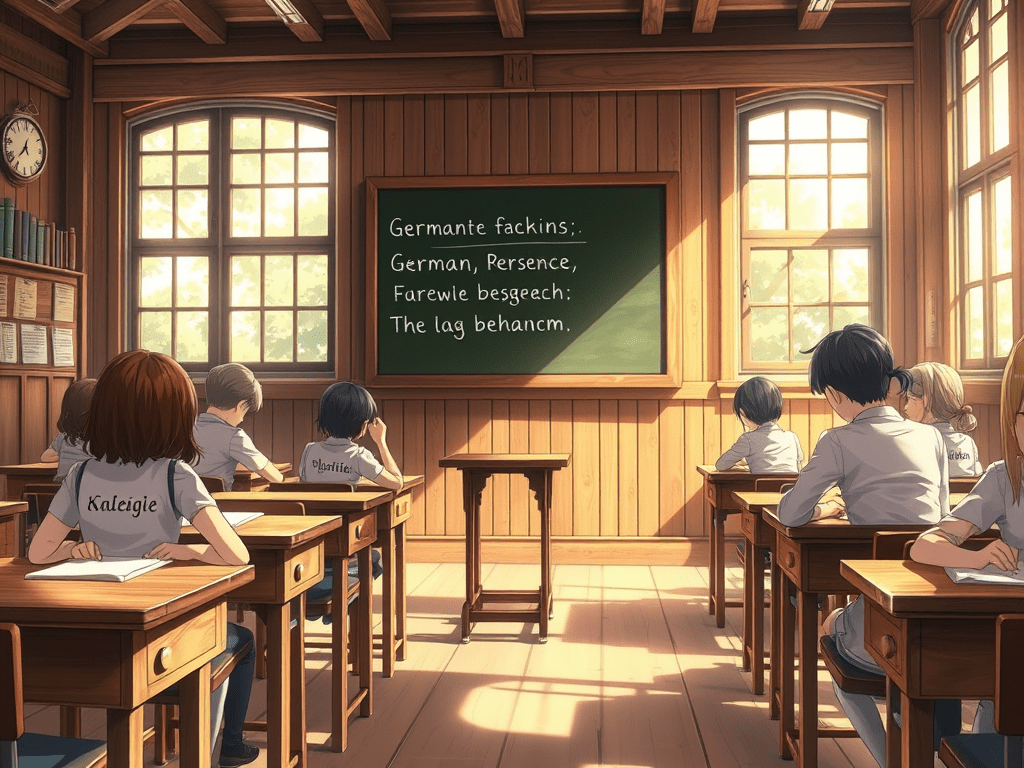
I often find myself thinking about how differently languages were learned just a generation ago. Not in a nostalgic, “things were better back then” way but in quiet conversations. The kind that lingers after class or slips into casual chats with teachers who have seen both worlds.
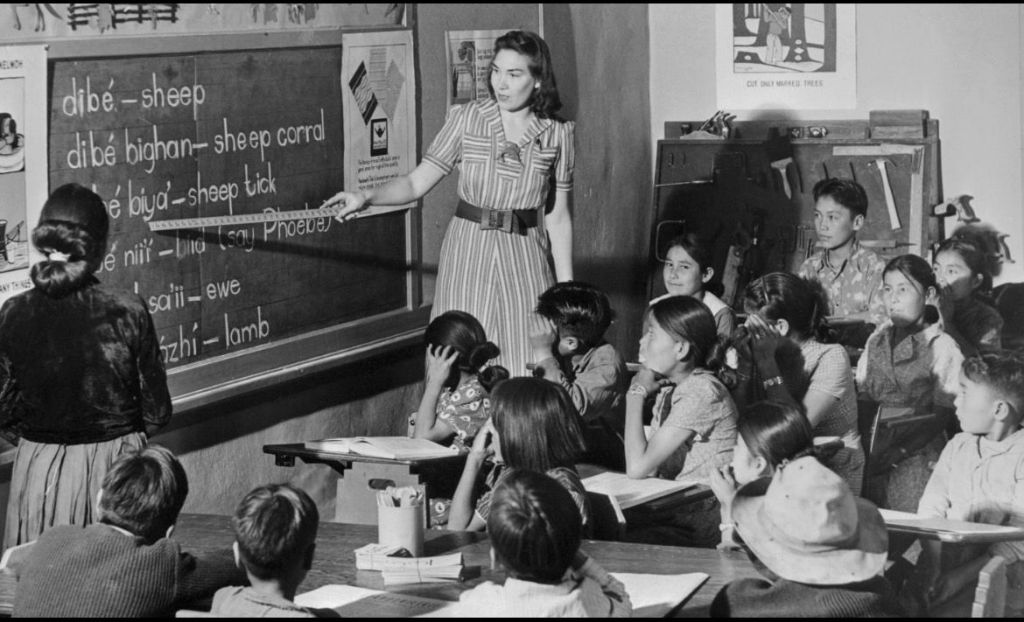
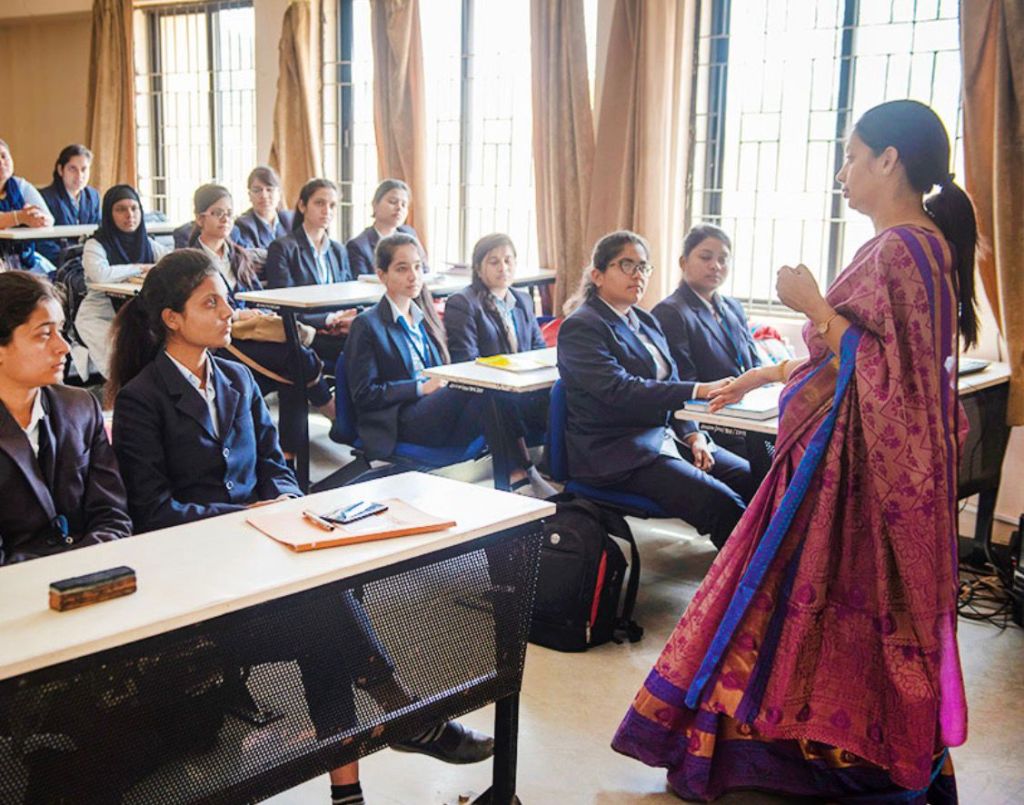
One of my Sanskrit teachers once told me that when she was learning, access was everything. You learned from that one guru available to you, at the pace that they set and with the books that they recommended. If you missed a class, you missed the lesson. Language learning demanded discipline, physical presence and patience. And while that created depth, it also created distance. Not everyone could afford the time, travel or access.
The same theme comes up when I speak to my German teachers. They often speak about how resources were limited to textbooks, cassettes and classroom drills. Exposure to native speakers was rare. Feedback was slow. Learning a language required commitment that reshaped your daily life.
And yet, here we are now.
I’m learning Sanskrit, German and constantly surrounded by French through a close friend from Alliance Francaise. What strikes me the most is not just he availability of languages, but the ease with which they enter our lives. Today, languages are no longer locked inside institutions. They live on our phones, laptops and late might YouTube recommendations.
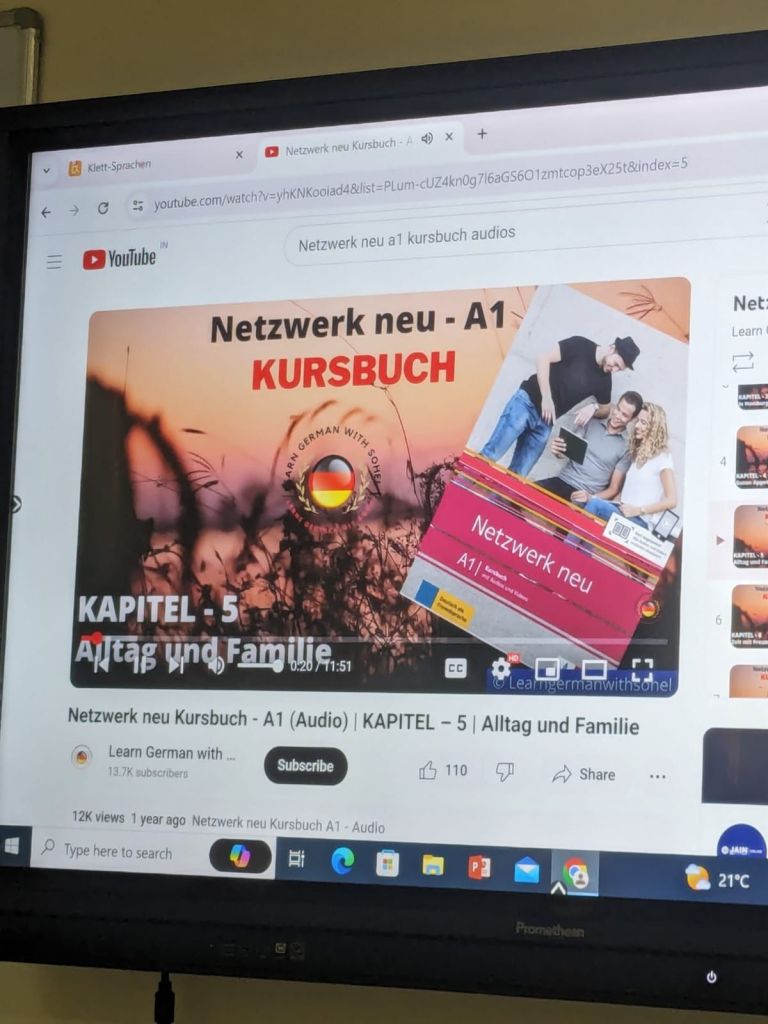
One of my favourite German teachers is someone I have never met in person. I’ve learned pronunciation, grammar and confidence from their videos alone. At one point, feeling overwhelmed and unsure if I was “doing enough”, I emailed them. I will not lie when I say that I half expected silence. Instead, I received such a thoughtful reply addressing my doubts, reassuring me and outlining exactly how I move forward. That kind of access would have been unimaginable a decade ago.
Digitalisation has changed not just how we learn languages, but also who gets to learn them. You no longer need to physically travel, rearrange your life or depend on rigid schedules. Online classes allow learning to fit into our real lives. Missed a lesson? Replay it. Confused? Pause. Curious? Go deeper instantly.
This doesn’t mean traditional learning has lost its value. My Sanskrit teachers still emphasise discipline, repetition and reverence for the language. But now, these values coexist with flexibility. Structure is starting to meet accessibility.
Language learning today feels more democratic. More forgiving. More human.
And perhaps that’s the biggest shift of all. We are no longer learning languages just to pass exams or prove intelligence. We’re learning them to connect. Connect with cultures, ideas and even ourselves. In a world that moves fast and forgets easily, learning a language has become one of the most intimate, grounding acts that we can choose.
And honestly? I believe this is such a good way to progress.

 Trupti and the Works
Leave a comment