
There was a time when news arrived in predictable ways. It was printed neatly on paper and delivered to the doorstep or broadcast on television at fixed hours in the evening. People didn’t have to go looking for news. It arrived as part of daily life. Conversations around politics, policies and world events often began at breakfast tables and shaped by headlines chosen by editors and anchors.
For many of us in Gen Z, especially in a city like Bengaluru, news works very differently. It doesn’t arrive at a fixed time, and it rarely asks for our full attention. Instead, it appears in fragments like between Instagram reels, notifications, podcast snippets and quick summaries that pop up on our phones while we’re commuting, waiting in line or procrastinating before an assignment deadline.
When I started speaking to people my age about how they consume news, the answers were surprisingly varied and to be honest, slightly unsettling.
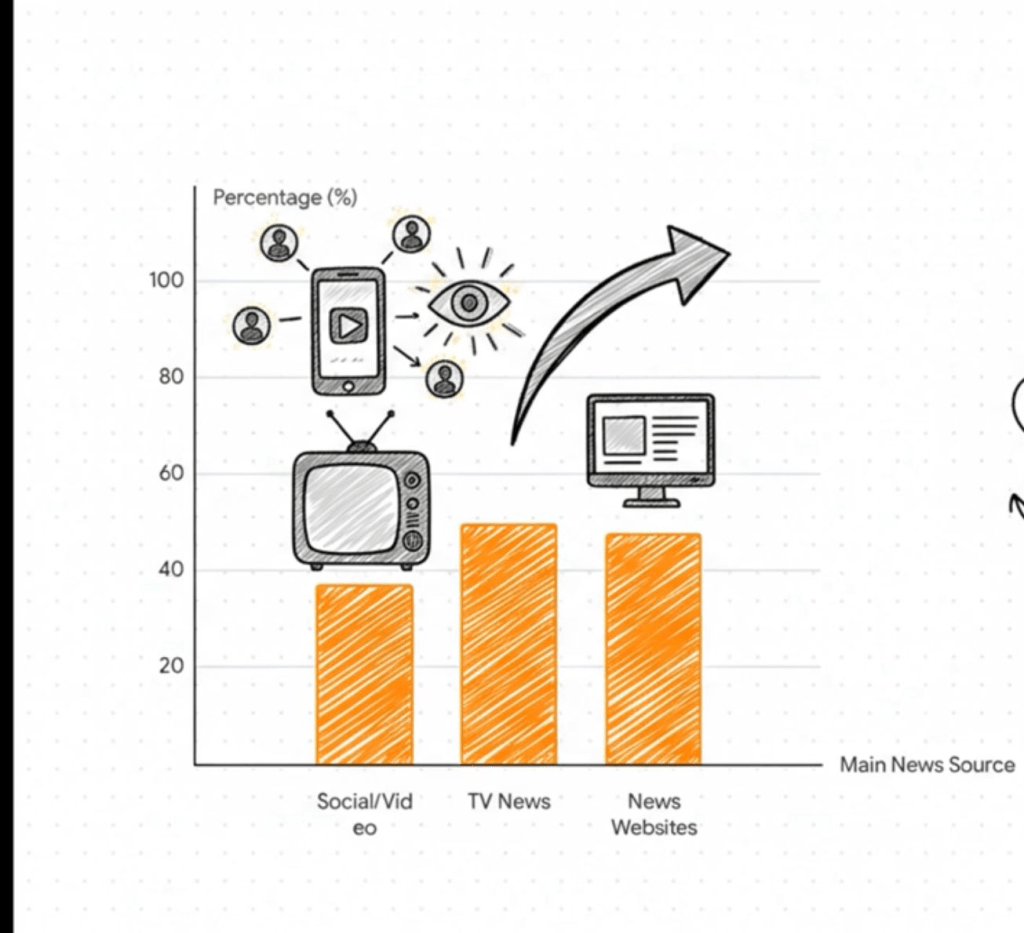
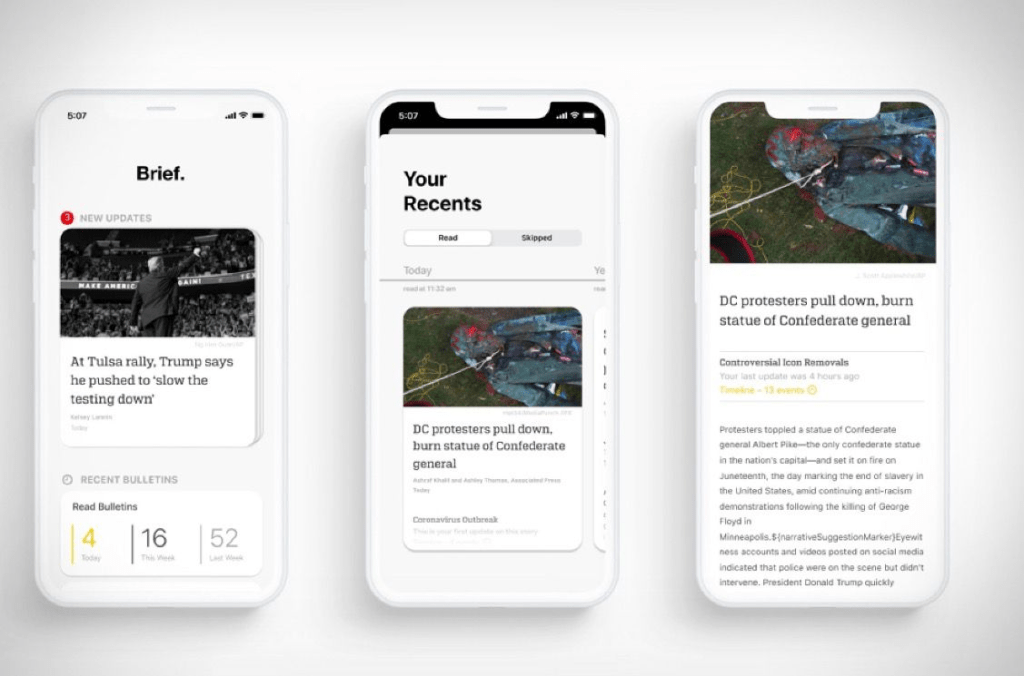
Many rely almost entirely on digital platforms. News appears on Instagram pages, Twitter threads, YouTube explainers and podcasts that simplify complex global events. Others prefer quick news apps like Inshorts, where major stories are condensed into sixty words. The appeal is quite obvious. It’s the information that fits into a short attention span and a busy day.
Some people I spoke to admitted that they increasingly rely on AI tools to summarise events or explain complicated developments. Instead of reading a full article, they ask a chatbot to break down a situation into a few digestible points. In an age of information overload, convenience very often wins.
And yet, I see another pattern. It is the one that reveals something deeper about how Gen Z interacts with news. A surprising number of people simply don’t follow news at all.
This isn’t intentionally and definitely not out of apathy, but because it feels overwhelming. With constant updates about wars, political tensions, economic uncertainty and environmental crises, many choose distance as a form of emotional self-preservation. When life already feels fast-paced with college, internships, traffic and endless digital notifications, actively seeking out news can feel like an additional burden.
Ironically, this doesn’t mean Gen Z is completely unaware of global events.
Because we are chronically online, geopolitical news still reaches us. We see updates about wars, international conflicts, elections in other countries or global crises circulating through social media. But this knowledge often remains abstract. We know the headlines, but we rarely pause to ask how these developments connect to our own lives, our economy, our policies, our future.
Local issues, on the other hand, are often the ones we miss.
Last year, during a journalism assignment, I had to write two letters to the editor for a newspaper. That experience pushed me and many of my classmates to start reading newspapers regularly for a while. Suddenly we were paying attention to civic issues, government policies and public debates because we needed context for our writing.
But that raises an uncomfortable question.
Should assignments be the only reason we pay attention to the world around us?
News literacy should ideally come from a place of curiosity and civic responsibility, not academic obligation. After all, the decisions made by governments, institutions and leaders affect everything from economic policies to education systems.
Yet many young people, including some of those I spoke with, admitted that they don’t vote or don’t feel strongly connected to political processes. Part of the problem may be a lack of understanding about how geopolitics and governance directly affect everyday life. When news feels distant, complicated or emotionally exhausting, engagement becomes difficult.
What seems to be emerging from these conversations is a complicated portrait of Gen Z news consumption in Bengaluru.
We are informed, but inconsistently. Curious, but easily overwhelmed. Digitally connected, but sometimes disconnected from the local realities shaping our lives.
News no longer seems to exist as a daily ritual. It has become something we encounter in passing like through scrolling, algorithms and digital summaries rather than something we intentionally seek out.
And perhaps the real question is not whether Gen Z cares about the news, but whether the modern information ecosystem is making it easier or harder for us to stay meaningfully informed.
In a city as globally connected as Bengaluru, where technology, politics and culture constantly intersect, the challenge for our generation may not be access to information.
It may be learning how to pause just long enough to understand it.



 Trupti and the Works
Leave a comment